
Anglim Private Health is a private GP surgery in Bury St Edmunds. We try to make it as easy as possible to book a face to face GP appointment including at weekends. Seeing a private GP works alongside your NHS GP and you will continue to be registered with your normal NHS GP if you use our service.
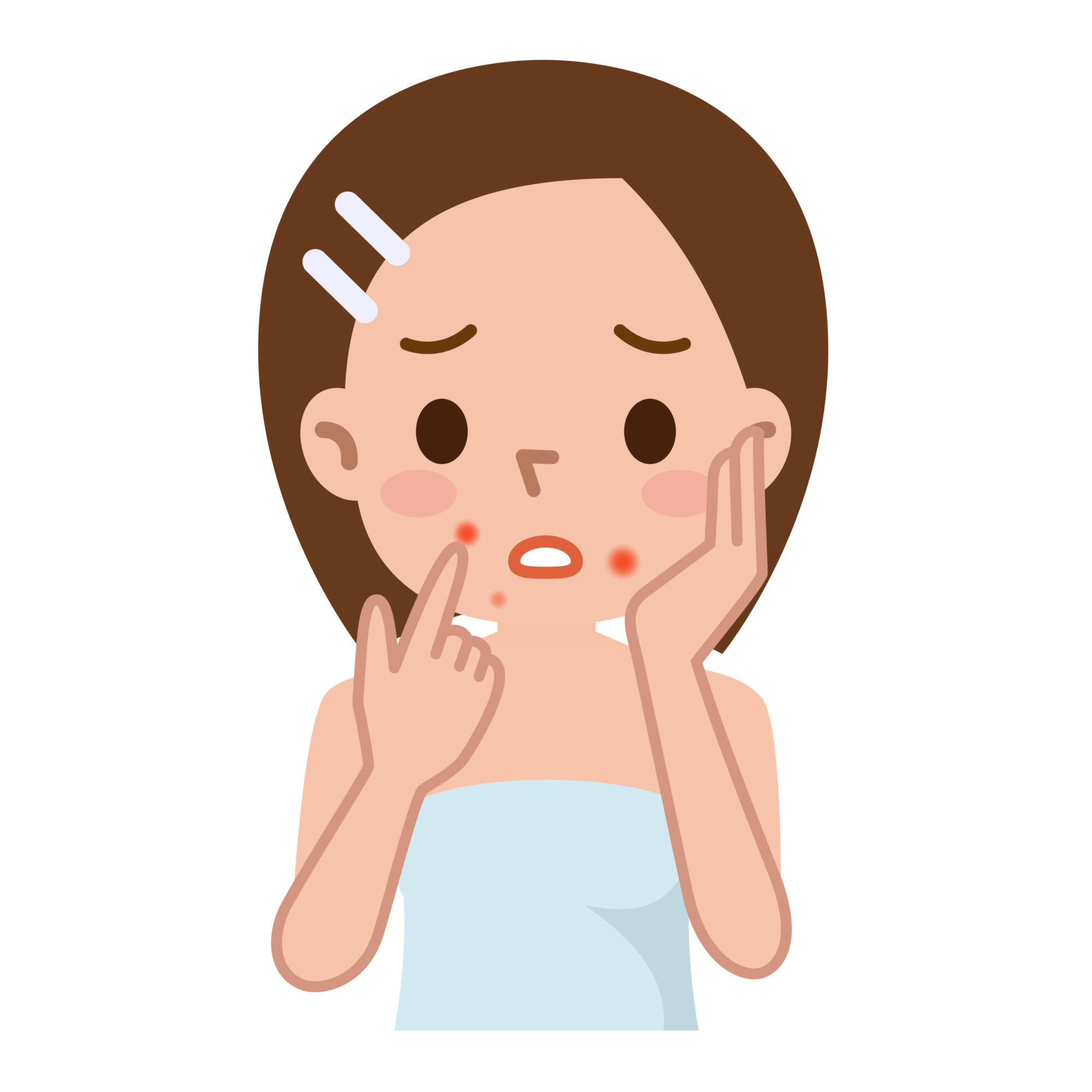
Acne is a really important condition which is often underestimated. Many people will point to it not being serious or life threatening, but sometimes those people will miss the very significant effects it can have on people’s lives. And that is the single most important question when it comes to acne, how much does the condition effect you as a person?
There are people with an appearance of moderate or severe acne, who feel it is unimportant, it doesn’t effect them and would not want to bother with any treatment. And there are people with relatively minor acne where it has a significant impact on how they feel and what they do. In the most significant cases acne:
- Makes people miss out on social events
- Makes people refuse to attend school or take part in sports events
- Reduces self esteem and confidence meaning people do less well in related tasks like speaking in a group
- Makes people give up on relationships through a lack of self esteem
- And can hold people back at work or in their careers
Severe acne can cause scarring which means blemishes or marks which continue even after the acne has calmed down and stopped.
Acne can effect people of any age, the biggest impact however, comes in those who are at a critical stage of their lives, where relationships are starting, high pressure examinations are taking place, careers are starting or new experiences are occuring like leaving home or starting university.
And while it might take a few attempts to get the treatment spot on, the vast majority of people who suffer with acne can get significant improvement in their symptoms with the right medical help and in many cases can have no symptoms at all.
What causes acne?
When we get acne our pores get swollen and narrower. This causes the pores themselves to get clogged up with dead skin. Our body produces normal oils which moisturise our skin, but this can be more dense and thicker at the ages when we get acne. And when the dead skin plugs the pores and the thickened oil cannot get through, it causes a blackhead or whitehead.
There is a small amount of normal bacteria on everyone’s skin, but when there is a lot of excess oil from the blocked pores, it provides the perfect environment for the bacteria to multiply and grow, resulting in red, painful, swollen pus filled spots (pustules).
There are a few things which make acne more common or worse including polycystic ovarian syndrome, some contraception choices, prescribed steroids or anabolic steroids, like the types use by some bodybuilders. Oily skincare products or contact with oily substances through your occupation might make acne worse.
Do certain foods make acne worse?
Probably the most common question asked about acne. The answer is not that simple. There has not been any clear medical trial evidence that any particular food makes acne worse. We do regularly see people who switch to a healthier diet see an improvement in acne and there is some medical evidence that a low glycaemic diet improves acne.
Do I need to have treatment for acne?
No, but people should understand that very effective treatmetns are available from your GP or dermatologist and you should seek that assistance if necessary. There is a feeling that lots of people with acne who would like to have better skin do not seek proper medical advice about treatment because thye feel it is not important enough. At Anglim Private Health we see that treating acne can improve people lives, a small amount or a huge amount, and beleive that people should be more forthcoming to ask about acne treatment.
The British Association of Dermatologists suggests seeking help early to reduce the impact and risk of scarring.
So how is acne treated?
The entire treatment plan is individualised and discussed in detail between the GP and patient. There is no one size fits all treatment options.
Self care steps include:
- Dont pick spots, it can increase acne and increase the risk of scarring.
- Consider otc treatments which you can discuss with your pharmacist. Avoid very expensive over the counter treatments unless you have discussed it directly with a GP or dermatologist.
- If you want to use makeup, it might help with confidence, pick one which says ‘non-comedogenic’ or ‘non-acnegenic’. That means tested to not cause spots or acne.
- Clean your skin in the normal way and remove makeup at the end of each day. You do not need to ‘clean your skin harder’ if you have acne, it is not caused by having unclean skin. Scrubbing your skin too hard can make acne worse by increasing swelling around the pores.
Help available from a GP:
- For people who want to avoid medication, we can discuss the types of lifestyle changes which might help acne and if necessary can put you in touch with nutritionists or dieticians for ongoing assistance.
- For people who want a more active treatments there are a choice of differnet types of creams or tablets which can help. These include vitamin A derivities called retinoids as a cream, benzoyl peroxide lotion, antibiotics used as a cream or gel or antibiotics used as a tablet. These work best when used in cominnation with each other.
- Finding the correct combination of these treatments is not simple and sometimes takes a few tries to find the correct combination.
- And if you start some of these treatments it can take 6-8 weeks to really see the benefit.
- For women who would like contraception, we can discuss how choosing different types of contraception might improve acne. In particular there are some contraceptive pills which can be very effective for acne.
- And in cases which have not improved enough with the basic treatments above, we can outline some of the more specialist treatments available from a skin specialist and organise a referral as needed. Isotretinoin, works very well at clearing acne but has significant side effects so needs careful consideration before treatment. Isotretanoin can only be provided by a specialist.
Part of the approach form the GP is to really understand the impact of acne on the individual. Some individuals become significantly depressed or anxious as a result and your GP can discuss what help is availbale.
Summary
Acne is a significant illness. It can cause distressing symptoms and the impact of the illness is more than just the appearance in the mirror. There are lots of effective treatments and there is a feeling that people avoid seeking professional help for acne when they would really benefit from the treatment. At Anglim Private Health we take a holistic approach to healthcare and will take the time to understand how much the acne is affecting you as a person and together generate a plan to manage acne.
If you would like to come and see us to discuss acne or any other GP health issue, please feel free to book an appointment online here. You can call on 01284 245665 and we are happy to take or call or call you back if you leave a message. Our commitment is we will take your concerns seriously and you should not feel that your problem is too minor to seek help. We will work with you to find the best solution possible.
For more inforamtion about acne, the British Association of Dermatolosits produce an excellent informaiton leaflet.
Seeing a private GP does not effect your NHS GP registration. You do not need to register in advance and we try our best to make accessing appointments easy and convenient.