
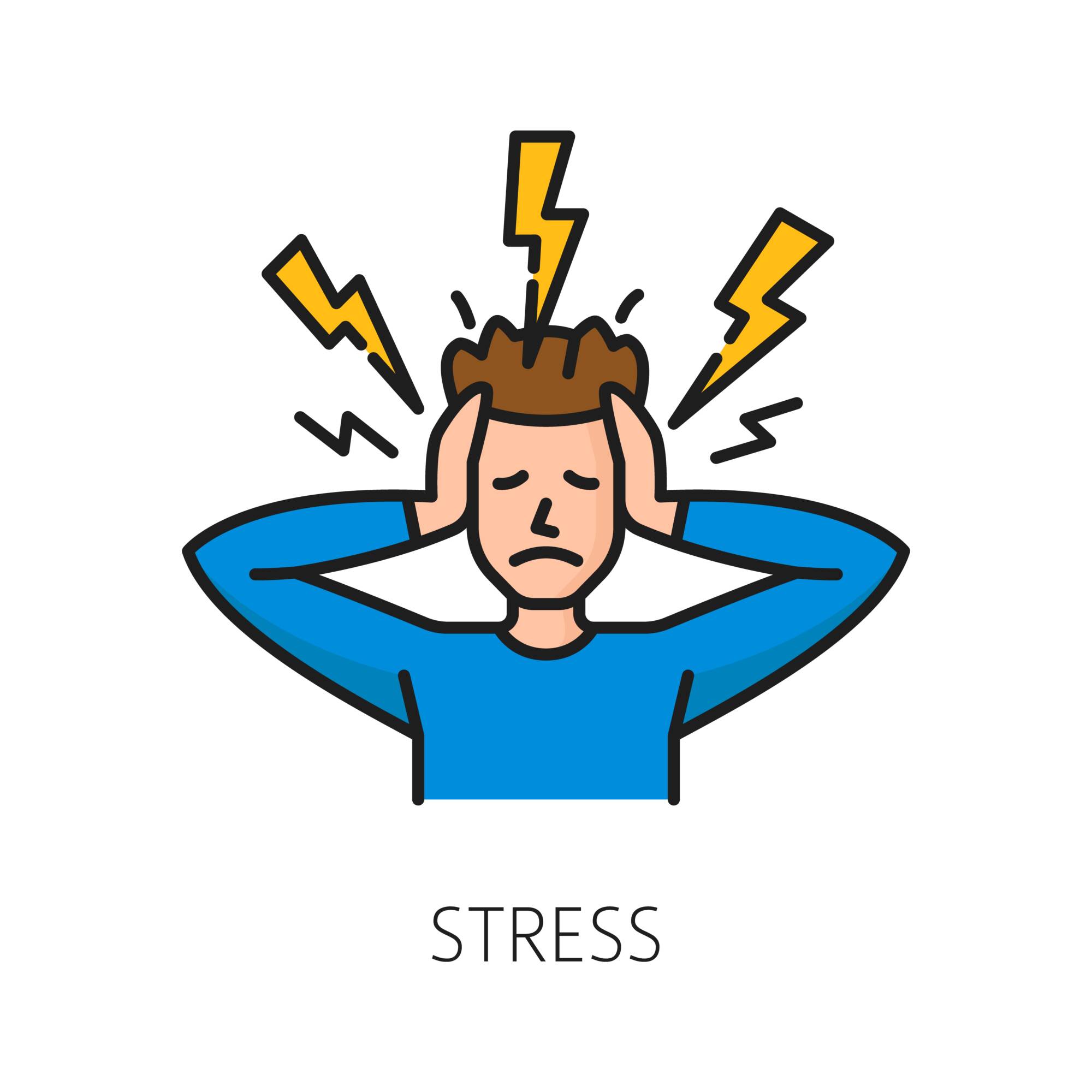
Anglim Private Health is a private GP surgery unit Bury St Edmunds. In today’s blog we look at stress, signs of stress and how to manage stress.
🧘 Mastering the Art of Stress Management: Your Guide to a Calmer Life
In a world that rarely slows down, stress often feels like a constant companion. Whether it’s deadlines, life changes, or just the weight of everyday responsibilities, managing stress has become a crucial life skill. The good news? You can take control of it—with the right tools and a little intention.
Let’s talk about how to manage stress before it manages you.
💡 What Is Stress, Really?
Stress is your body’s natural reaction to challenges. A little bit of stress can be motivating, but chronic stress can lead to serious mental and physical health problems—like anxiety, insomnia, high blood pressure, and burnout.
🚨 Common Signs of Stress
Sometimes, stress sneaks up on you. Here are a few signs to watch for:
-
Feeling overwhelmed or constantly tired
-
Irritability or mood swings
-
Headaches or muscle tension
-
Difficulty sleeping or concentrating
-
Loss of appetite or emotional eating
If you’re nodding along, you’re not alone—and you’re in the right place.
✅ 7 Practical Ways to Manage Stress
1. Focus on Your Breathing
Deep, intentional breathing helps calm your nervous system. Try this simple technique: inhale for 4 seconds, hold for 7, exhale for 8. Repeat 3–4 times.
2. Move Your Body
You don’t have to run a marathon—just move. A walk, a dance break, or a few yoga poses can do wonders for your mood.
3. Practice Mindfulness
Mindfulness is about being fully present. Apps like Headspace or Calm can help, but even 5 minutes of sitting quietly and noticing your breath can make a difference.
4. Set Boundaries
Your time and energy are limited. Saying “no” (without guilt!) is a powerful form of self-care.
5. Prioritize Sleep
Sleep is where your body recovers and resets. Aim for 7–9 hours a night, and keep your sleep space tech-free if you can.
6. Connect with Others
Whether it’s a friend, a family member, or a therapist—talking things out can release tension and help you feel supported.
7. Cut Back on Stimulants
Too much caffeine, sugar, or alcohol can mess with your mood and energy. Small tweaks can have a big impact.
🌿 Building Resilience Over Time
Stress management isn’t just about quick fixes—it’s about creating habits that protect your peace. Try to:
-
Spend time in nature
-
Journal your thoughts
-
Practice gratitude
-
Engage in hobbies
-
Surround yourself with positive people
These small steps add up to big change over time.
❤️ When to Seek Help
If stress starts to feel unmanageable, it’s okay to ask for help. You’re not expected to carry everything on your own. Mental health professionals can offer support, tools, and treatment options tailored to your needs.
Don’t hesitate to reach out to a doctor if stress is affecting your ability to function or enjoy life. With Anglim Private Health you can organise a face to face GP appointment quickly and easily.