
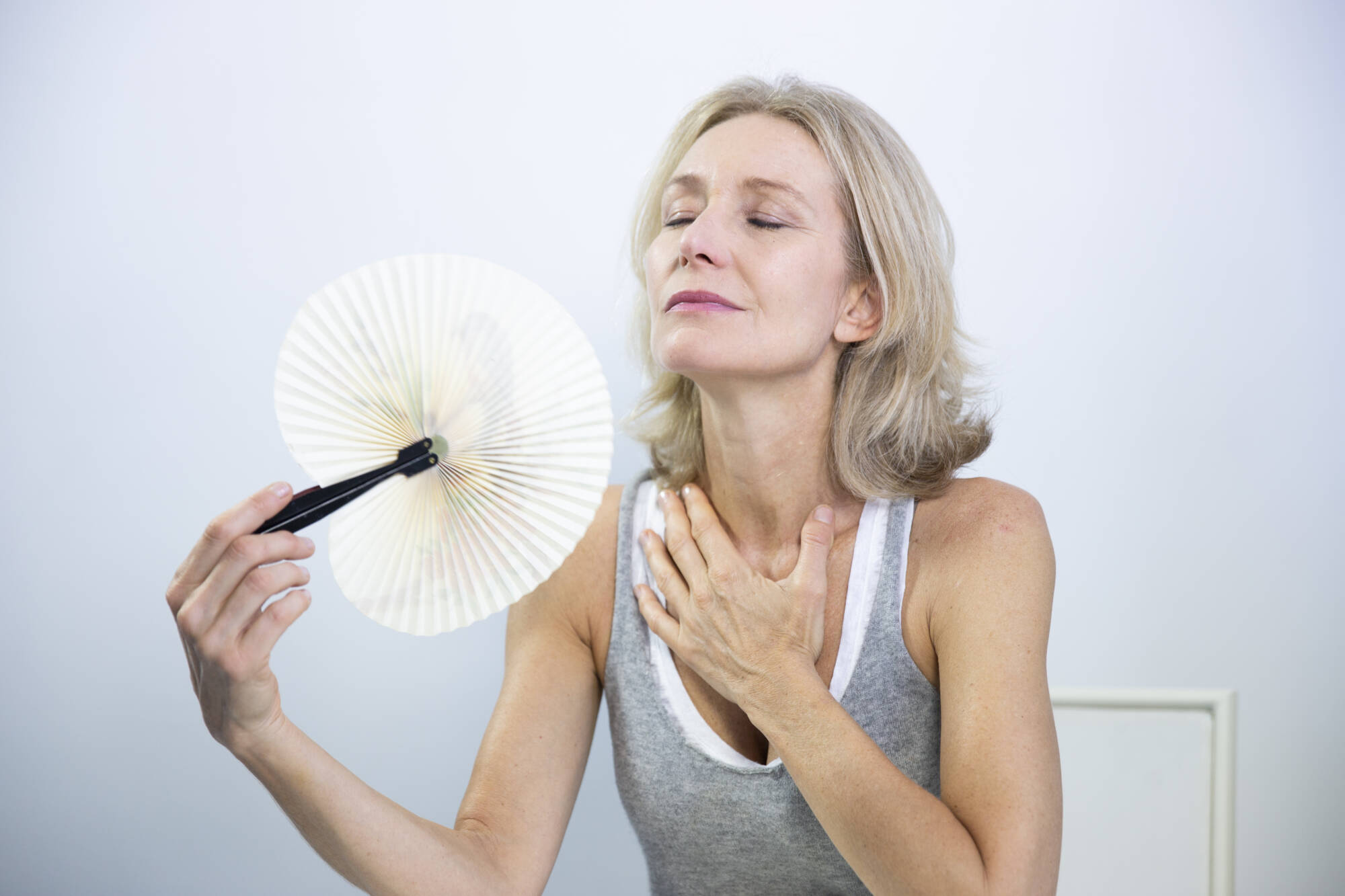
Menopause Background
I regularly review and treat patients who are struggling with symptoms of the menopause such as hot flushes, tiredness, headache and urine infections. There has been so much inaccurate information about HRT that patients and sometimes clinicians misunderstand some of the key information about treating the condition.
Menopause is when a woman’s ovaries stop producing eggs and oestrogen and therefore periods stop. The time before your last period can cause significant and sometimes distressing symptoms, this period of time is called the perimenopause.
It has often been reported that perimenopause symptoms can start between 45 and 55, but there are plenty of situations where symptoms can start under the age of 45 and sometimes under the age of 40. Women who experience menopause early are more likely to face significant symptoms and also most likely to have their symptoms misdiagnosed or dismissed unfairly. If ovaries are removed via an operation that will automatically start the menopause, and early menopause can be caused by genetic make up or treatments like radiotherapy and chemotherapy.
How often do people express distressing symptoms?
There is an approximately even split between:
1 in 3 women having no symptoms at all
1 in 3 women having moderate or acceptable symptoms
1 in 3 women having distressing or debilitating symptoms
What symptoms point towards the menopause?
Periods can become irregular, with heavier or lighter bleeding, shorter or longer gaps between periods and periods occasionally being missed.
Hot flushes
Sleep problems
Mood swings
Vaginal dryness causing discomfort and pain during intercourse
Urine infections
Hair and skin changes
Separate from symptoms that can be felt, there are changes with the menopause which cannot be seen directly but increase the risks to our health overtime. Top of the list is thinning of the bones, which can lead to osteoporosis. Osteoporosis can ultimately lead to life changing hip fractures.
What can be done about menopause?
The good news is the treatments are becoming more accessible and for those who have distressing symptoms it might be worth considering them.
The first step is confirming the diagnosis, which is mostly achieved through a detailed discussion with your private GP. Sometimes a blood test might help with the diagnostic process, it is not always needed but can always be requested if that is your preference. I will ask patients in detail about their symptoms, but equally importantly how those symptoms impact on them as individuals and while performing day to day activities.
Then as a private GP we have the time to discuss the most distressing symptoms and all of the different options to deal with them. This might include:
- Lifestyle changes, which might include dietary changes and muscle strengthening exercises.
- Food supplements and we will have the time to discuss what the evidence is behind each related supplement.
- Non-hormonal treatment for menopause and if your specific situation means that is the most appropriate choice.
- Local hormone treatment such as oestrogen creams to reduce dryness and urine infecitons.
- Whole body hormone treatments such as oestrogen gels or patches and progesterone tablets, which will help the majority of symptoms.
Importantly I will be able to discuss with you all the benefits and downsides of those treatments and we can consider all of that information to generate a plan together.
What about low libido and testosterone?
Testosterone is a hormone which is mostly associated with men, but women also have testosterone in their system at a lower level. Testosterone can reduce at the time of menopause and can be a major contributor to low libido. We can discuss if testosterone treatment is correct for your situation, organise all the appropriate blood tests and prescribe testosterone if that is needed. Testosterone treatment is more complicated and has different risks than standard HRT so it is really worth having the time to discuss the benefits and risks of testosterone before we embark on that treatment.
At Anglim Private Health we aim to provide treatment which is very individualised to your circumstances. As such we take the time to really understand both the symptoms which might be menopause and how they effect you as a person. We aim to explore the treatment choices together and come to a joint conclusion about what treatment or treatments are most appropriate. And we make sure that we organise a follow up so that we are confident that our treatment plan is working.
For more information about this topic, the Royal College of Obstetricians and Gynaecologists produce a detailed patient information page.
If you would like to discuss menopause, HRT or any of your symptoms with us, please book an appointment or give us a call on 01284 245665.