
Anglim Private Health is a private GP surgery in Bury St Edmunds. Our aim is to make booking and seeing a GP face to face as easy as possible and provide high quality care every time.
What is depression?
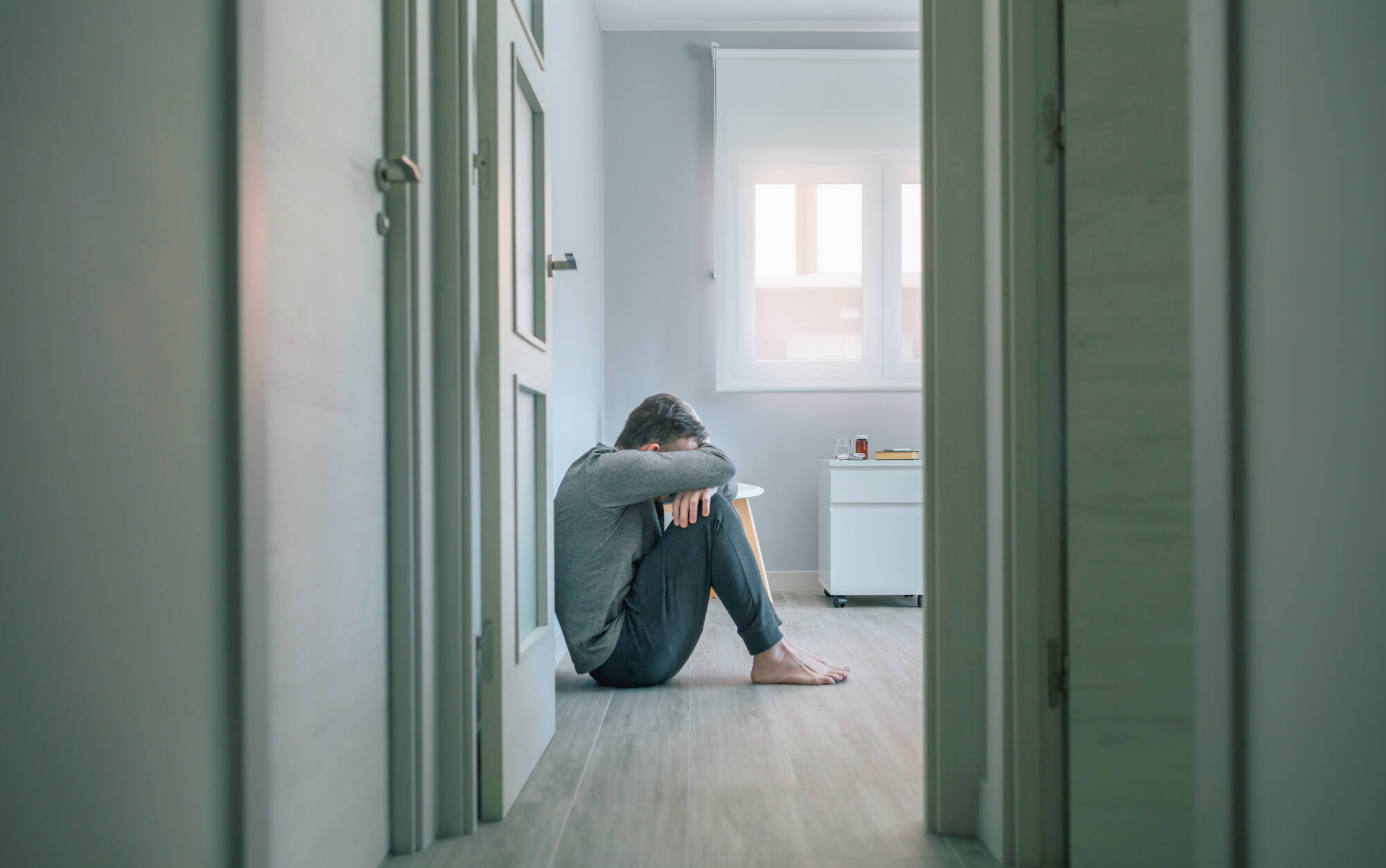
Depression is more than just feeling down or unhappy for a few days. It is characterised by having low mood for a significant and persistent period of time, typically weeks, months or years. Some think it is trivial and you can easily ‘pull yourself’ out of depression, but that is incorrect. It is a major illness which can have a profound effect on people’s lives.
It can happen to people from any background or age, including children. And can be very common, but more difficult to identify in the elderly. You do not have to have a cause of depression, although some circumstances can increase your risk. And people can have depression even when everything around them is going well.
Do I have depression?
Depression is such a broad illness, that it is difficult to summarise all the symptoms in one article. The most common symptoms are sadness and unhappiness, hopelessness, loss of interest in activities you used to enjoy and feeling tearful. Often depression goes together with anxiety; people with both can also feel worried, anxious or stressed. In children depression can appear as the individual becoming more isolated or performing less well in school. And in the elderly symptoms can be very varied including increased confusion.
People with depression will also get symptoms from the way it affects their body. This includes fatigue or tiredness, poor sleep including waking up in the early hours of the morning, low appetite or sex drive and various aches and pains. In some more severe cases people can feel as though they are worthless, life would be better for everyone if they were not around, or have persistent suicidal thoughts.
It is possible to get some of these symptoms for short periods at difficult times. For example it is entirely appropriate to feel low after a bereavement. If it is a normal reaction those symptoms should improve and it does not count as an illness. You may consider if you have depression if those symptoms are very severe, disproportionate to the cause or persist longer than expected.
What should I do if I think I have depression?
If you think you might have depression, it is important to see a GP as early as possible. You should have a face to face appointment with your GP to discuss your symptoms in detail. Your GP and you together can decide if you are suffering from depression, anxiety disorder or a range of other mental health illnesses.
What are the treatment options for depression?
There are many options for treating depression. As part of your consultation, your GP will discuss with you the range of treatment options for improving depression, how well each of them work, what the benefits and downsides or side effects of that treatment is and then together you can pick a plan to take forward. The treatments may include:
- Medication – which is effective in many cases, but can have side effects. Some people worry about taking medicaiton, but there are other treatment options, so if you are worried about medication just make your doctor aware of that during your consultation.
- Counselling – Counselling is very effective and in fact just as effective as medication at treating depression. It takes time and perseverence, but has no medical side effects like medication. The experience of counselling is often different from what patients’ expect.
- Exercise – Lots of medical studies have demonstrated the effectiveness of exercise on people with diagnosed depression. You can agree a plan to take forward yourself; or we can help identify assistance through groups, organisations or personal trainers.
- Yoga – Studies have specifically looked at yoga and found it to be beneficial for depression.
- Mindfulness – Mindfulness is about living in the present and being aware of yourself and your surroundings.
There are a range of other treatments which can be helpful with depression and can be discussed with your GP during the consultation. In children treatments are a little different. Children experience more side effects from medications so medications are often the last resort.
What are the effects of depression?
There are two parts to that answer. Firstly is how you are feeling now. Depression makes us sad, low and less happy and taking steps to recover from depression helps to improve those symptoms.
Secondly there are the effects that depression has on our lives overall. A period of depression could effect exam performance in a young adult, effect how well we do with sports and exercise, effect how we are performing in work or the attention we give to our friends and relationships. The result of depression and can long lasting effects on our lives, addressing it early makes a significant difference.
How can Anglim Private Health help?
As a private GP surgery we do everything we can to make it easier for someone with depression to access help. We know that barriers make it harder for anyone to seek help, but with depression those barriers are even more difficult to overcome. At Anglim Private Health if you call us to make an appointment to discuss depression:
- Your call will be answered quickly and by a human being; quite often it will be answered directly by Dr Anglim.
- You can be offered a face to face appointment quickly, almost always within 24 hours if that is your preference.
- If you want to book an appointment ahead we will accommodate that too.
- Your appointment can be at a time which is convenient, meaning you organise that appointment around work, study or childcare commitments. Or if you want to attend with a friend or relative it is easier to make arrangements.
- You will not be asked to explain your symptoms to a receptionist first.
If you prefer to book an appointment online, you can do so here..
When you attend for your appointment you have a longer appointment, so that we have time to really understand your symptoms, how it affects you and your family and what impact it is having on your work, social or other commitments. You will have time to discuss with Dr Anglim all the treatment options and together come up with a plan to tackle depression; and most importantly the plan will match your preferences. The plan may involve working with our local healthcare partners to help with counselling, physical exercise or group activities.
Appointments can be paid for individually or through our membership scheme. We strongly recommend the membership scheme for those with mental health illness. If you are a member you will have follow up appointments booked in a timeframe which matches your circumstances and severity of illness. Typically a young adult starting medicaiton would have 5 or 6 appointmnets over the first 3 months; of which some will be in depth discussions and others might be quick catchups over the phone. But in all those cases you will know that you have someone who you can call on if things are not going as planned.
And in all cases we will discuss a safety plan, which can be activated if you are having a crisis including suicidal thoughts.
If you, a relative or a friend are struggling with depression or other related mental health problem, and would like help from Dr Anglim, then please contact us:
Telephone: 01284 245665
Email: doctors@anglimhealth.co.uk
Or book directly on our website.
If you are having suicidal thoughts or a crisis right now, call The Samaritans 116123, it’s free. Email jo@samaritans.org or via their website: www.samaritans.org